How to Tow a Car Safely in Waynesboro, VA
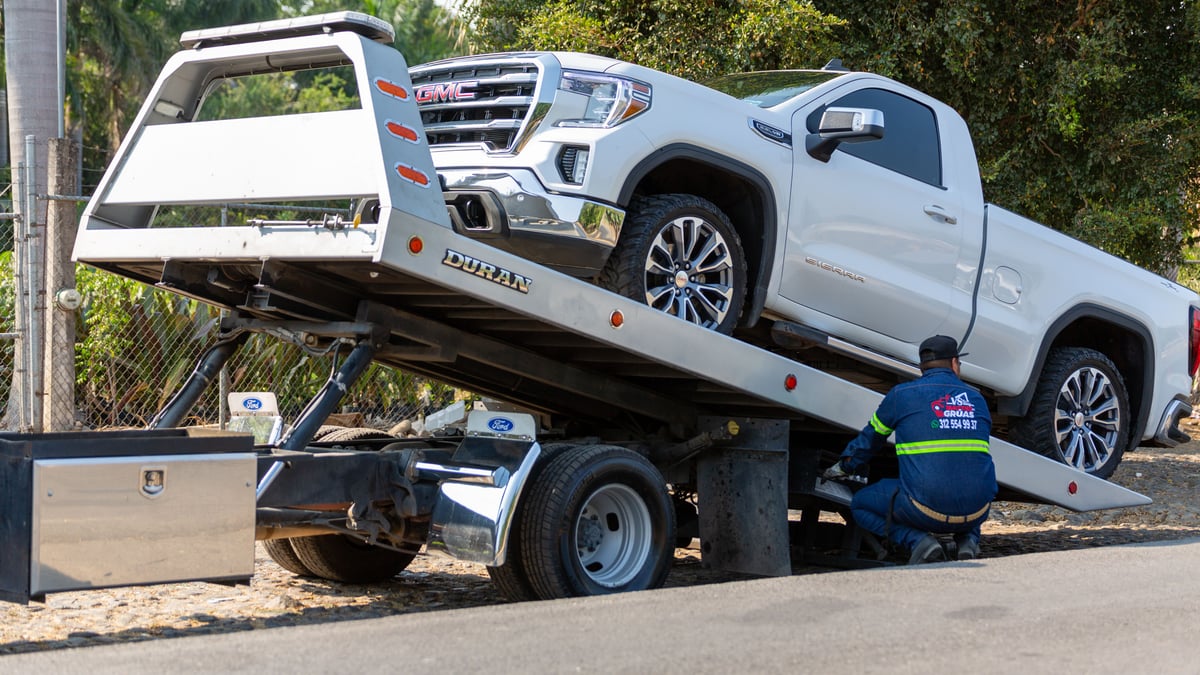
Learn how to tow a car safely, from hitch checks to load setup, so you can protect your vehicle and know when to call for help.
Learn how to tow a car safely, from hitch checks to load setup, so you can protect your vehicle and know when to call for help.
A tow can save time and keep a disabled car from becoming a bigger problem, but only if you set it up the right way. If you need a simple process to follow at home, this guide covers the gear, the hookup, the slow drive, and the signs that mean you should stop. How to tow a car safely starts with choosing the right equipment, securing the load, driving slowly, and calling a pro if the car is damaged or the route feels risky.
This matters for homeowners in Waynesboro, VA because a bad tow can damage brakes, steering, tires, or the frame. A careful setup protects the car and the people around it.
J&T Auto and mechanic & More has been helping local drivers for 3 years, and we see the same problems over and over. Most towing issues come from rushing the hookup or skipping a final check.
Start by gathering the right gear before you move the car an inch. A safe tow depends on the car’s weight, the tow setup, and the road you plan to use. If any part looks wrong, do not force it.
What you need depends on the vehicle and the tow method, but most home towing jobs call for a few basics:
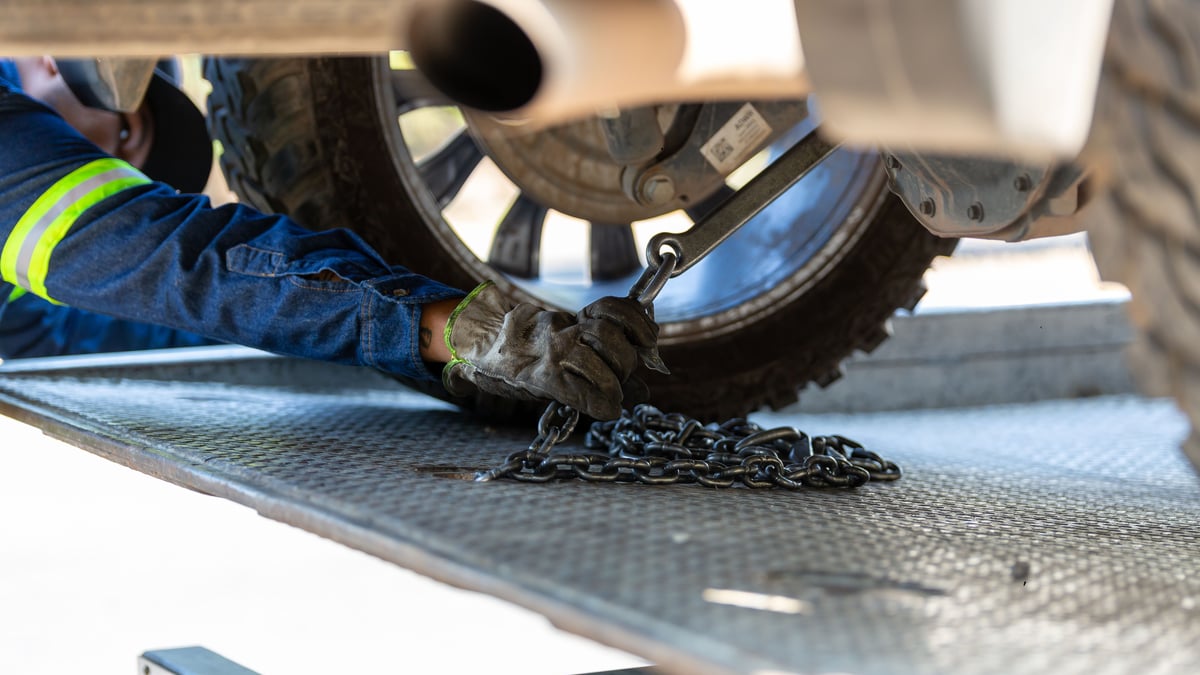
Walk around the car and look for anything that could make towing unsafe. Check for flat tires, leaking fluids, loose body parts, bent wheels, or a damaged bumper. A car that already has damage may need roadside assistance instead of a home tow.
Make sure the parking brake is fully released if the car must roll. If the steering locks, the key or release process may need to stay in the correct position. Also check that the transmission is set for towing as the owner manual directs.
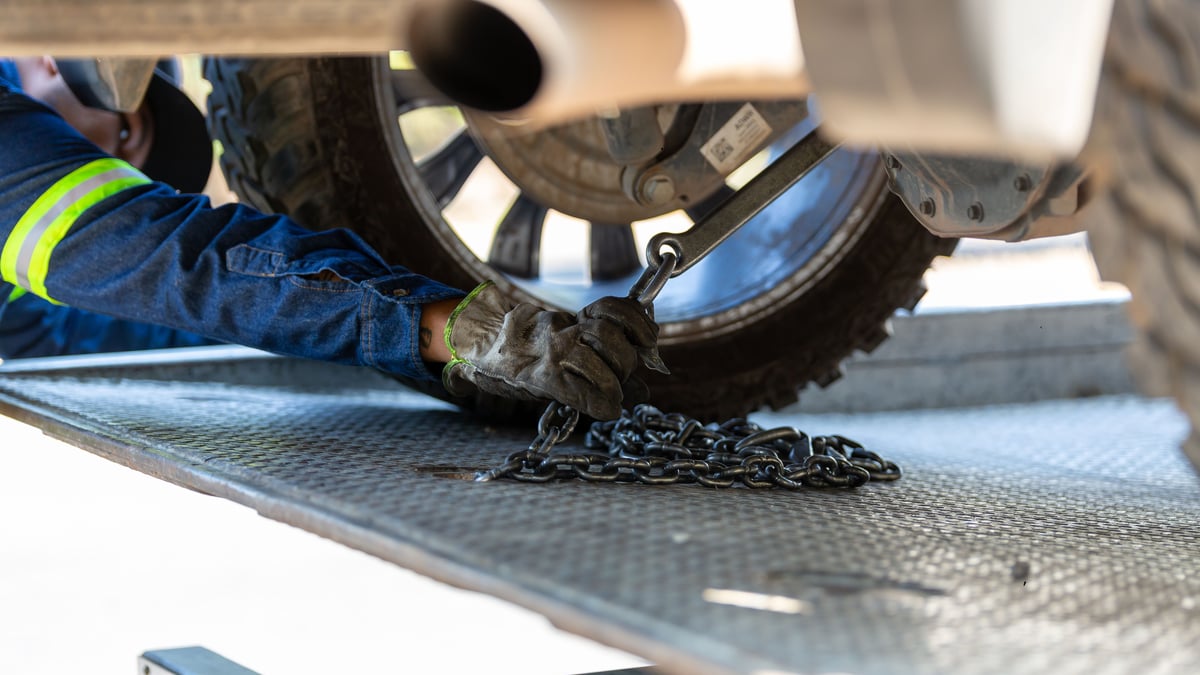
Hookup is the most important part of the job, so go slow. Line up the vehicle and tow rig on level ground, then connect the hitch or strap to approved tow points only. Never wrap a strap around suspension parts, axles, or body panels.
Use safety chains if your setup calls for them, and cross them under the tongue so they can catch the load if the main connection fails. Tighten every connection by hand first, then check again after a short pull forward. If the connection feels off, stop and reset it.
A straight pull is safer than a sharp angle. If the tow vehicle and the disabled car sit at a bad angle, the strap can twist or jerk. Reposition both vehicles until the line of pull is as straight as possible.
Drive slower than you would without a load. Leave extra room in front of you, brake early, and turn wide. The extra weight changes how the tow vehicle handles, so smooth moves matter.
Keep an eye on mirrors the whole time. Watch for the tow vehicle drifting, the load swaying, or the strap loosening. If the car starts to fishtail, pull over safely and fix the setup before moving again.
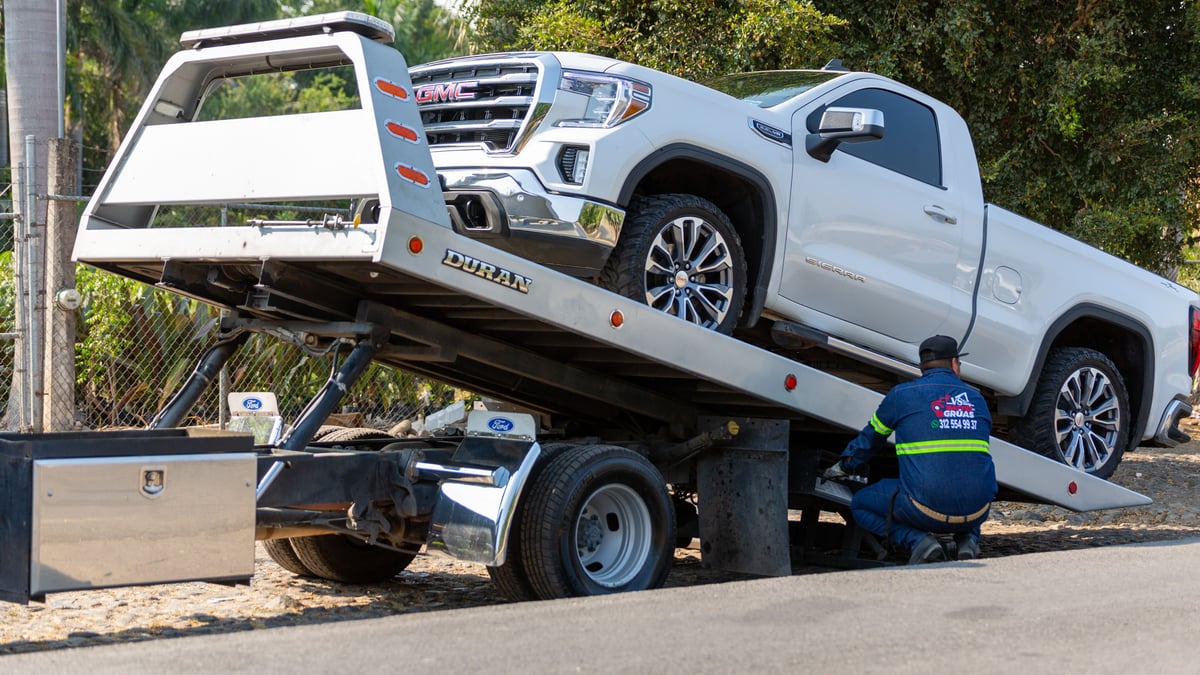
Once you reach the destination, do one more full check before you unhook anything. Look at the strap tension, chain placement, tire condition, and hitch hardware. Heat, vibration, and road bumps can loosen parts during the trip.
After the car is parked, remove the tow gear in the reverse order of installation. Store straps and chains clean and dry so they do not rust or fray before the next use. If any part looks worn, replace it before the next job.
Call a professional if the car has steering damage, brake trouble, a broken wheel, or frame damage. Those issues can make a home tow unsafe fast. You should also stop if you do not have the right equipment, the route is steep, or the car is too heavy for your setup.
If the job starts to feel uncertain, contact J&T Auto and mechanic & More for help. Our towing service can take over when a basic tow is not the right move, and that can protect both the vehicle and everyone nearby.
Many front-wheel-drive cars can be towed, but the method matters. Some need a dolly or trailer, while others can damage the transmission if all four wheels stay on the ground. Check the owner manual before you start.
Slow is the safe choice. Towing changes braking, turning, and stopping distance, so a lower speed gives you more control. Keep your pace steady and avoid sudden moves, especially on curves, hills, or busy roads.
A loose strap can jerk, sway, or let the towed car shift out of line. That can damage the vehicles and make the driver lose control. Tighten the setup, check the attachment points, and test the pull before driving far.
Brakes on the towed car depend on the tow method, the vehicle weight, and local rules. A trailer or dolly may change what is needed, but a car with failed brakes should not be treated like a simple tow job.
A safe tow starts with the right gear, a solid hookup, and slow, smooth driving. If the car has damage, the setup feels unstable, or you are not sure the route is safe, stop and get help from a pro. That choice can protect your car and keep the job under control.