How to Tow a Car at Home in Waynesboro, VA
Learn how to tow a car safely with the right hitch, lights, speed, and secure tie-downs for a short move in Waynesboro, VA.
Learn how to tow a car safely with the right hitch, lights, speed, and secure tie-downs for a short move in Waynesboro, VA.
If your car stops running or needs to move across town, towing it the right way keeps the job safer and smoother. You avoid damage to the transmission, tires, and brakes by setting up the hitch, lights, straps, and load before you roll. Here is how to tow a car: match the tow setup to the vehicle, secure it correctly, check the lights and brakes, drive slowly, and stop to inspect the load often.
Many homeowners think towing is just about hooking up and driving away. It takes more care than that. A loose strap, a weak hitch, or a wrong weight setup can turn a short trip into a costly repair.
If you are in Waynesboro, VA and you are not sure your setup is right, J&T Auto and mechanic & More can inspect the vehicle and help you decide if towing makes sense or if another repair path is better.
Start with the right gear so you can tow without guesswork. The exact setup depends on the car, the distance, and the towing method you plan to use. Gather everything before you connect the vehicle.
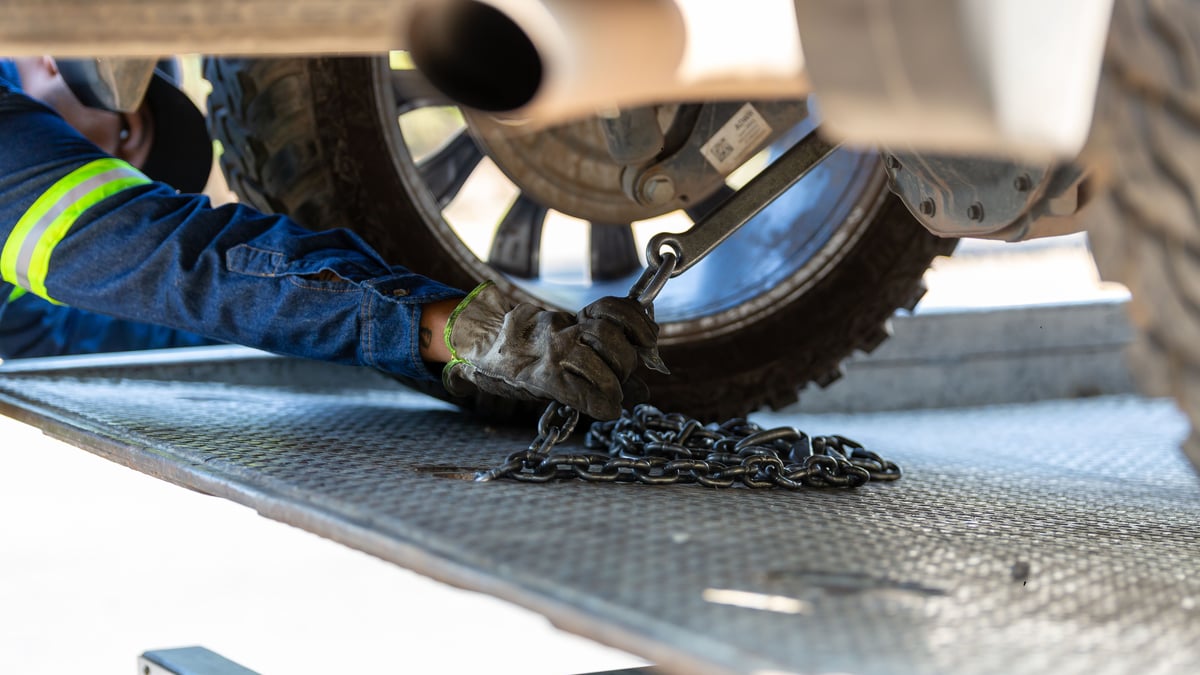
Check the vehicle before you move it. Make sure tires hold air, the parking brake is released, and nothing is dragging under the car. If the steering wheel locks, the drivetrain may need a different towing method.
Look at the weight rating too. A tow vehicle and hitch must handle the load. If you are unsure, match the setup to the car’s size and drivetrain before you go any farther.
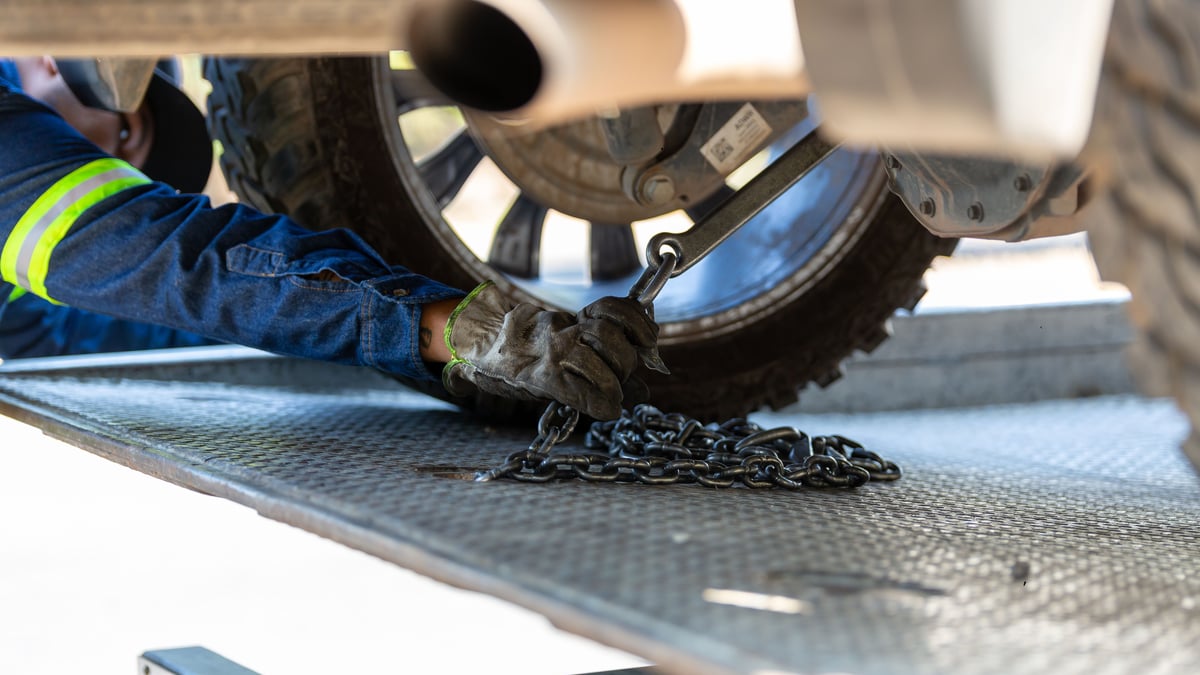
Line up both vehicles on level ground before you connect anything. Attach the hitch or tow bar first, then secure the safety chains in a crossed pattern under the tongue. That gives you a backup if the main connection shifts.
After that, connect lights if your setup uses them. Make sure the cable cannot drag or pinch during turns. J&T Auto and mechanic & More often sees towing problems caused by rushed hookups, so take time here.
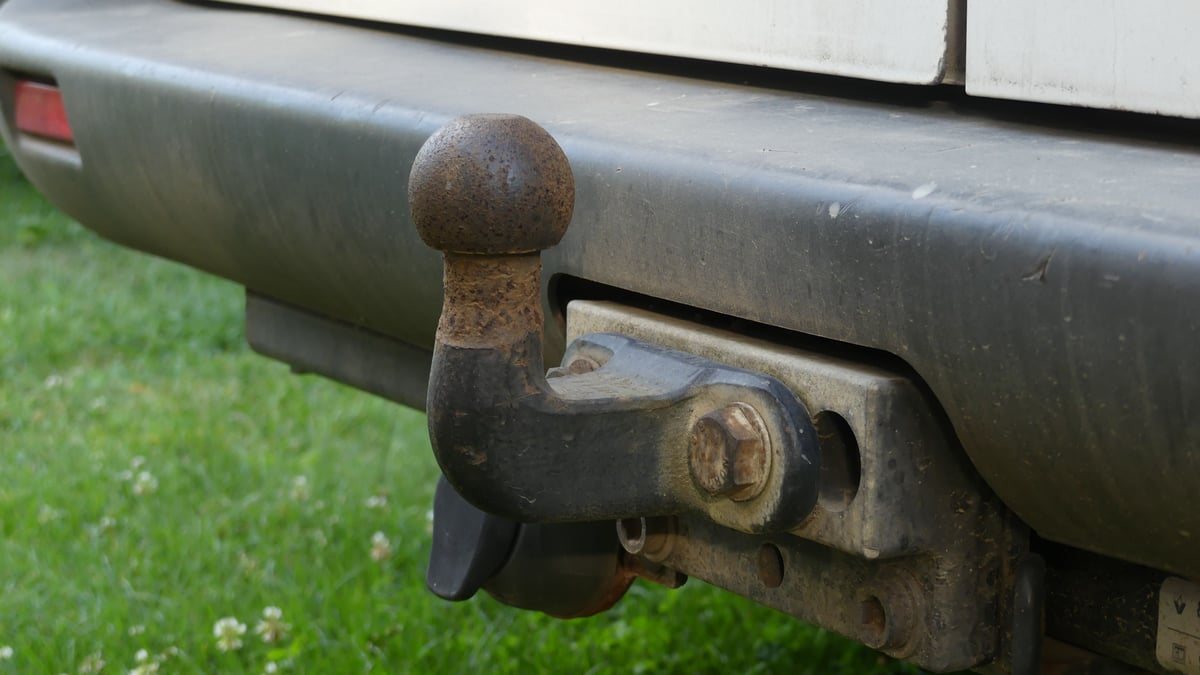
Cross the chains under the tongue and leave enough slack for turns, but not enough for the tongue to hit the ground. The goal is support, not drag.
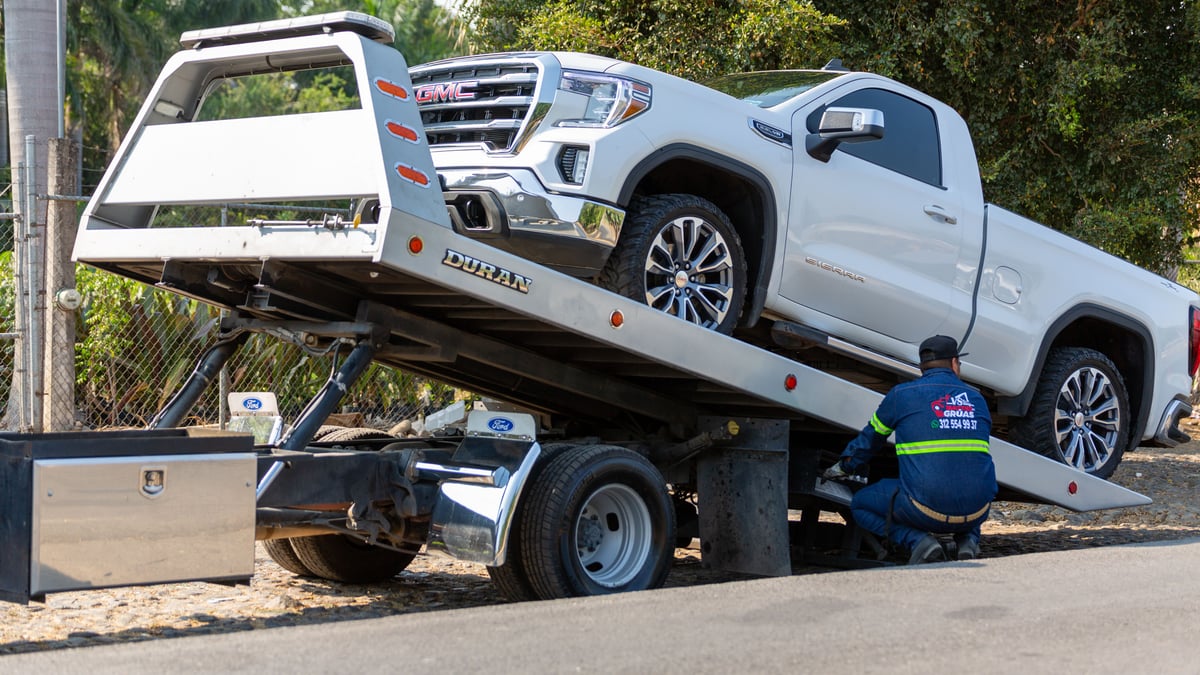
Once the car is in position, lock it down with straps or wheel nets, depending on the towing method. The car should sit centered and stable, with no side-to-side shift.
If the front wheels stay on the ground, follow the vehicle manual for transmission or steering steps. If that manual is missing, it is safer to pause and get help than to guess.
Drive slower than usual and leave extra room for stops. A towing setup needs more time to brake, more space to turn, and more care on hills or curves. Smooth inputs help protect the load.
Avoid sudden lane changes and hard braking. If the trailer or towed car starts to sway, ease off the gas and keep the wheel steady. Do not jerk the steering, since that can make sway worse.
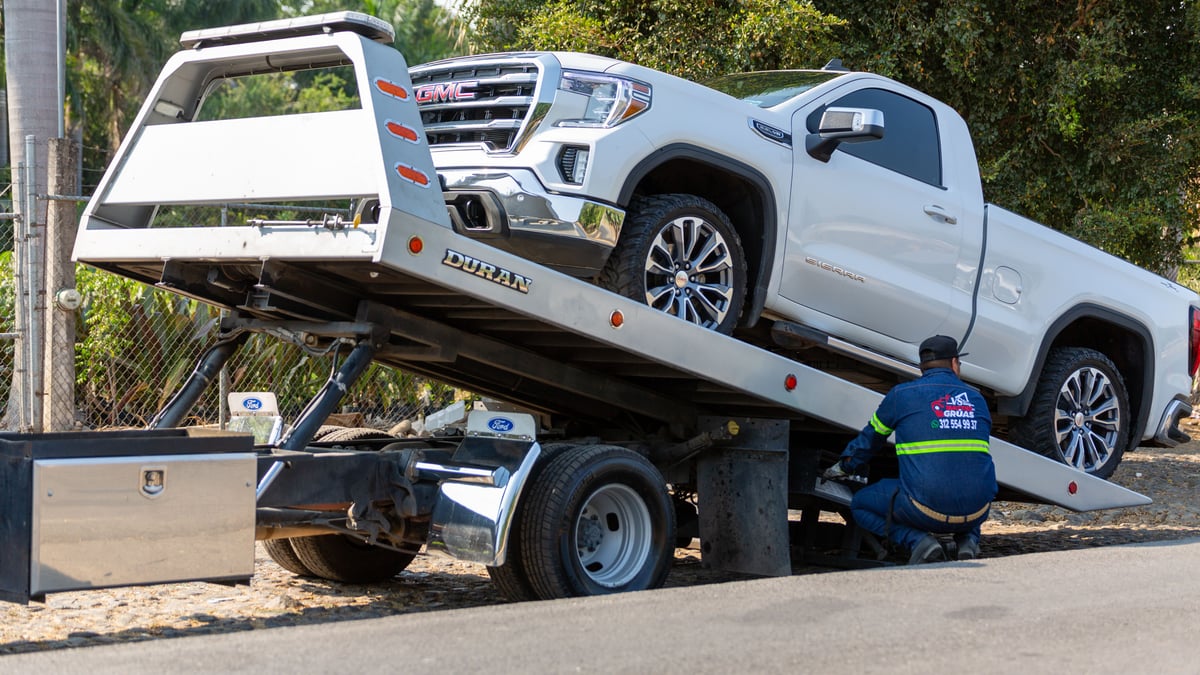
Stop after the first short stretch and check every connection. Look at straps, chains, lights, tire heat, and the hitch. A quick check can catch a problem before it becomes roadside damage.
Repeat the inspection during longer trips. If you smell burning, hear scraping, or see the car leaning, stop right away. Small issues are easier to fix early than after miles of stress.
Call for help if the car has drivetrain damage, locked wheels, a failed brake system, or a hitch setup you do not fully understand. Those problems need the right equipment and a careful plan, not a guess.
If the tow job feels wrong, stop and let a shop inspect it before you move the car again. In Waynesboro, VA, we can help you sort out the safest next step and decide whether towing or repair is the better move. Learn more about our towing service if you need support with a stuck or disabled vehicle.
That depends on the car’s drivetrain and steering setup. Some vehicles can be damaged if they roll the wrong way or if the transmission is not prepared. Check the owner’s manual before towing, or use a method that lifts the drive wheels.
Drive slower than you would without a tow load, and keep your movements smooth. Lower speed gives you more time to brake and turn. If the load starts to sway, reduce speed and pull over to inspect the setup.
Safety chains add backup support if the main connection fails. They should be attached correctly and crossed under the tongue. Even on a short trip, chains help keep the towed vehicle from separating if something shifts.
Stop and inspect the straps, chains, lights, and tire condition on both vehicles. Look for loose hardware, heat, or sway. A quick early check can prevent a bigger problem later in the trip.
A safe tow starts before the wheels move. Match the setup to the vehicle, secure every connection, drive slowly, and inspect the load along the way. If the job feels uncertain or the car has damage that makes towing risky, reach out and let us help you figure out the safest next step.