Roadside Assistance Steps for Waynesboro, VA Homeowners
Learn roadside assistance basics for a dead battery, flat tire, lockout, or empty tank, with a simple 5-step plan you can use at home.
Learn roadside assistance basics for a dead battery, flat tire, lockout, or empty tank, with a simple 5-step plan you can use at home.
A car problem in your driveway can stop your whole day before it starts. Roadside assistance helps with common breakdowns like dead batteries, flats, lockouts, and empty tanks, but it works best when you know what to do first. This guide shows you how to stay safe, check the problem, and decide when to handle it yourself or call for help. If your car will not start or move safely, use a calm step-by-step check, gather the right basics, and contact a pro only when the fix is beyond a simple roadside task.
This guide is for homeowners in Waynesboro, VA who want a clear plan for the most common driveway and curbside car troubles. It focuses on safety first, then simple checks you can do before a service call.
Start by making the car and the area safe. Turn on your hazard lights, keep people away from traffic, and check whether the car is in a spot where it can stay until help arrives. If the problem happened in your driveway, you still need to treat it like a roadside stop and stay alert.
Next, note the main symptom. Is the engine silent, do the lights work, is a tire flat, or are the keys locked inside? That simple detail tells you which kind of roadside help fits the problem best.

Match the symptom to the likely fix. A dead battery often shows up as dim lights or a silent engine. A flat tire may need a spare. A lockout means the keys are inside the car. An empty tank is simple, but you still need to move safely and avoid rushing.
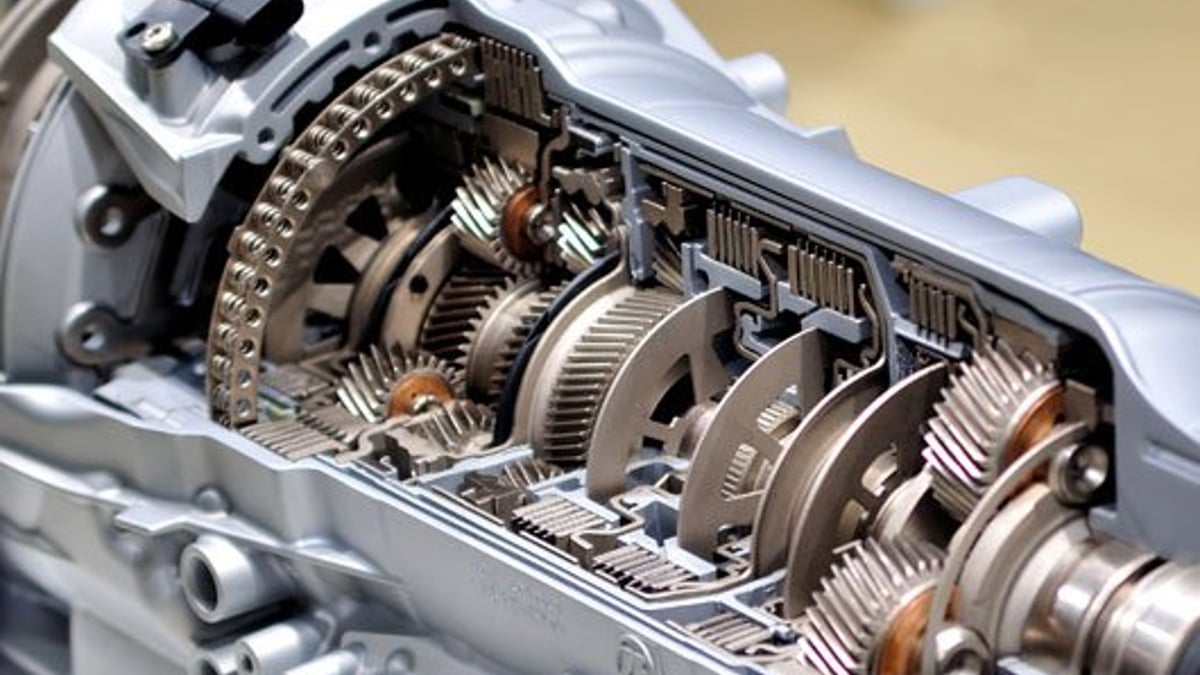
If the car cranks but will not start, the issue may be bigger than a battery. In that case, a quick roadside fix may not solve it, and a deeper repair check may be needed from our shop mechanic service.
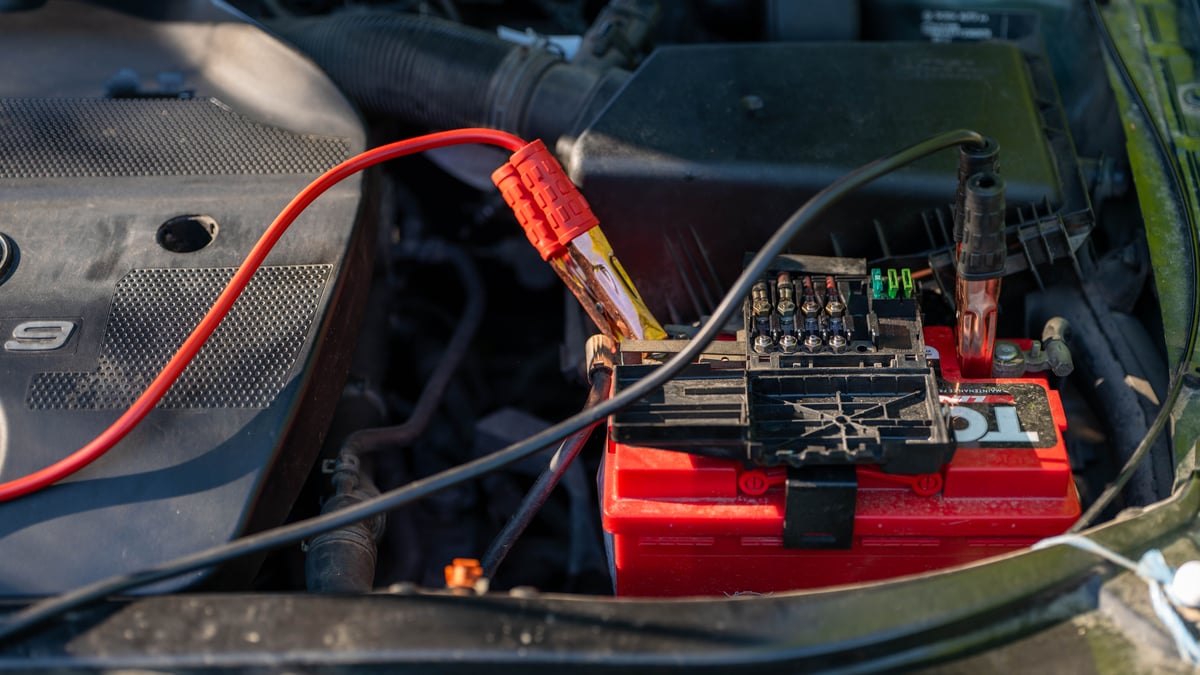
Guessing can lead to the wrong fix, more stress, and extra risk. A battery problem and a starter problem can feel alike at first. Taking one minute to read the signs helps you choose the right next step.
Gather a few basics so you can act fast and explain the issue clearly. Keep these items in one easy place in the car or garage. That way, you are not searching for supplies while the car sits disabled.
Share the car make, model, color, exact location, and what the car is doing now. Mention whether the wheels are turned, if the car is blocked in, and whether you hear any sounds when you try to start it.
Some problems are simple enough to handle if you stay safe and know your limits. A spare tire can get you moving if it is in good shape. A jump start may work for a weak battery. A locked car may need a spare key instead of force.
Never force a fix if the car feels unstable, you smell fuel, or the tire damage looks severe. If you want help with a no-start, flat, or lockout issue in Waynesboro, VA, roadside assistance can handle common problems without guesswork.

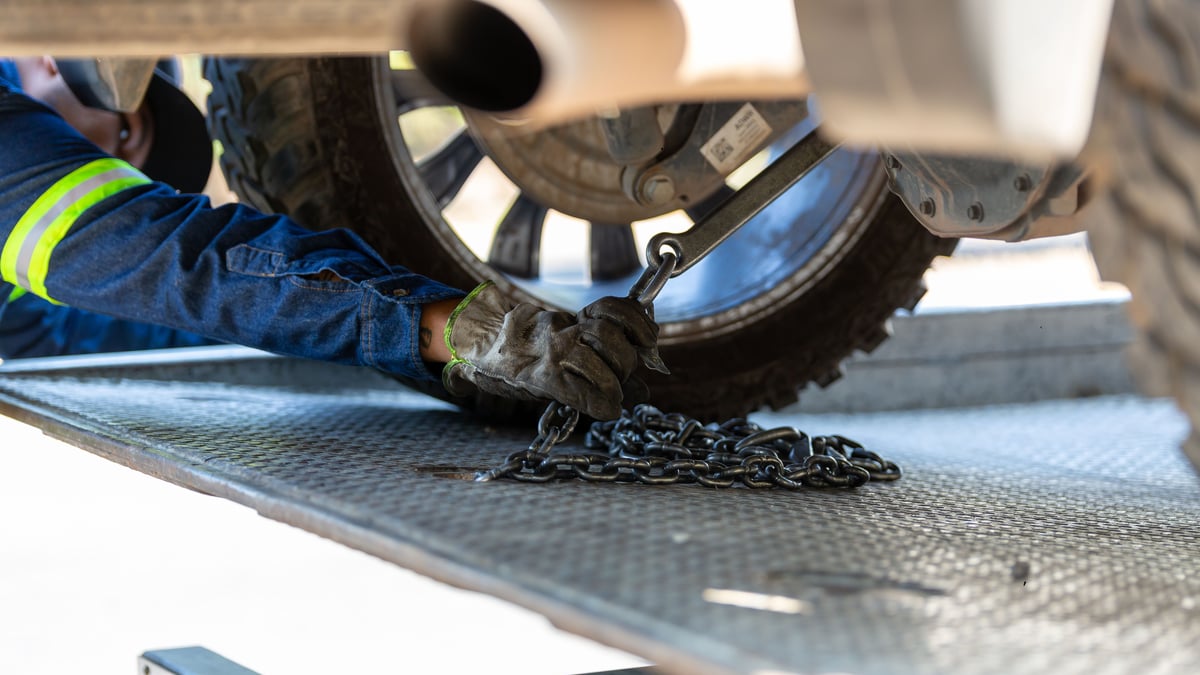
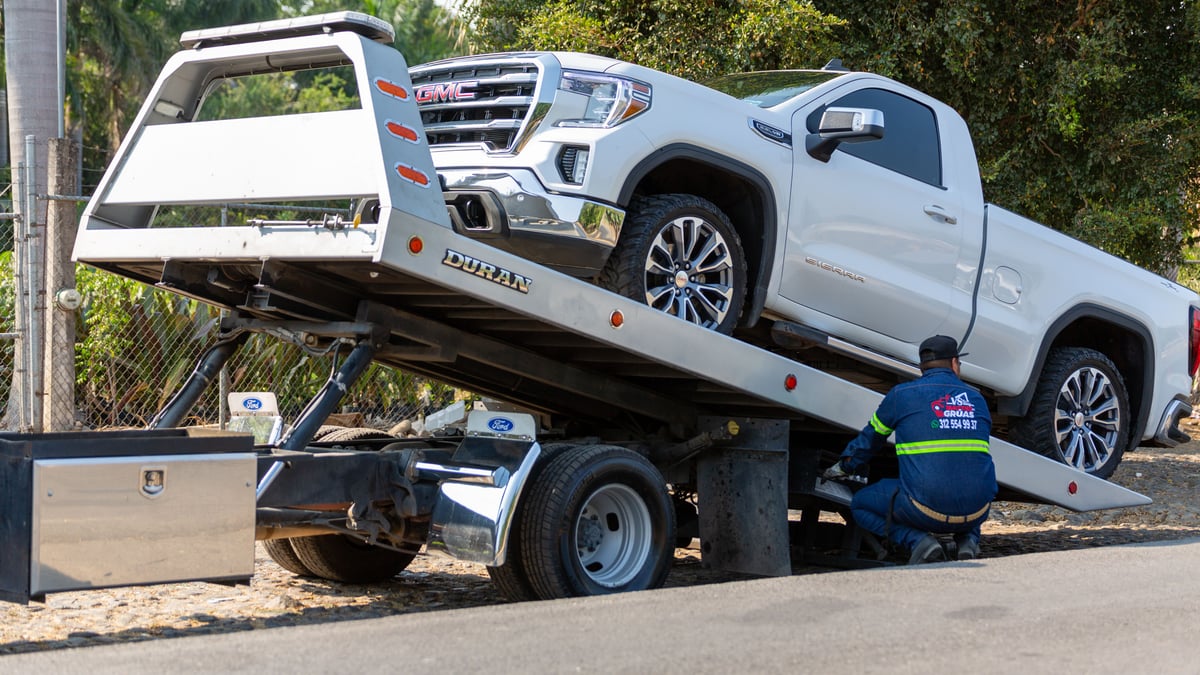
Call a professional when the problem is unsafe, unclear, or too hard to fix with basic tools. That includes a car that will not shift, a tire that is shredded, a battery issue that keeps coming back, or a lockout you cannot solve without damage.
J and T Auto and mechanic & More has been serving drivers for 3 years, and we can help you sort out the next step. If you need help beyond a simple driveway fix, use our service page for more support.
A professional can also help when the car is stuck in a tight spot, the issue keeps repeating, or you do not have the right tools on hand. That saves time and keeps you from making the problem worse.
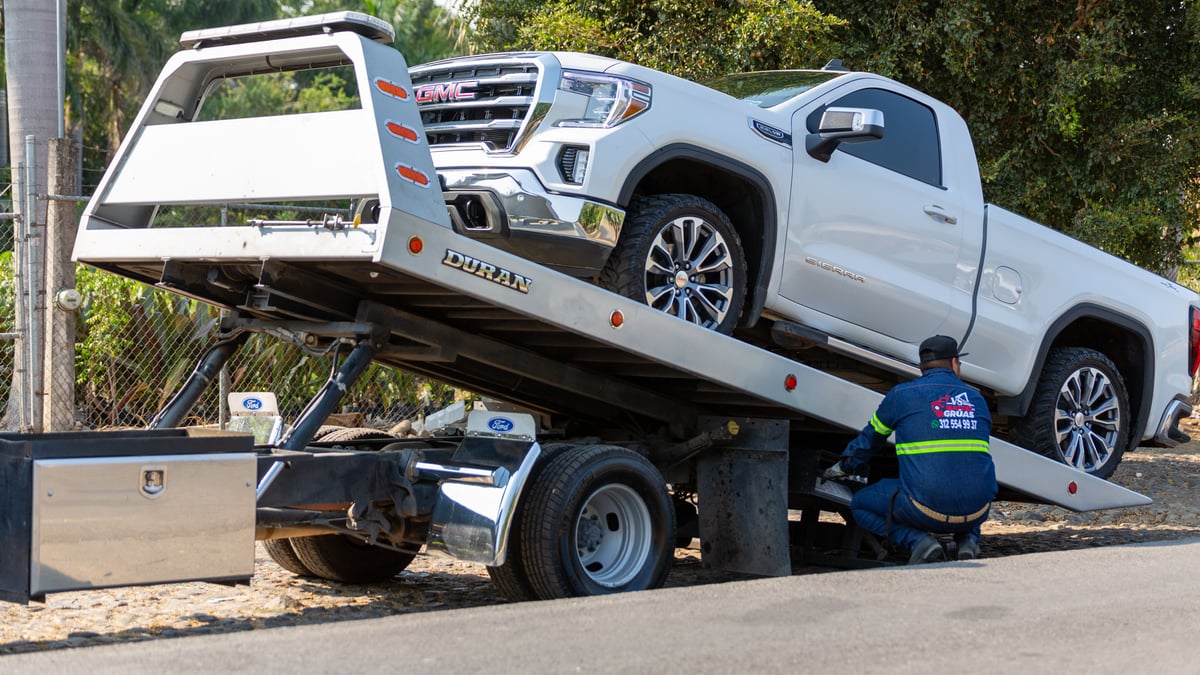
A little prep makes the next breakdown easier to handle. Keep your spare key in a safe place, check your tire air often, and replace weak batteries before they fail. Put your service info where you can find it fast.
You can also keep a small emergency kit in the car. This helps you stay calm if you need roadside help late in the day or away from home.
A small kit does not fix every issue, but it helps you stay ready. Add a flashlight, gloves, basic first aid supplies, jumper cables, and a tire gauge. Those basics make the first few minutes easier.
Turn on hazard lights, stay clear of traffic, and check for obvious signs like a dead battery, empty tank, or flat tire. Then decide if the problem is safe to handle or if you need help. Safety comes before trying to force the car to run.
Roadside help can often handle a dead battery with a jump start if the battery problem is simple. If the car still will not start after that, the issue may be deeper. In that case, a repair shop should check the charging system or starter.
You can change a flat tire if the car is on level ground, the spare is usable, and you have the right tools. Stop if the tire is damaged badly, the car is unstable, or you do not feel safe. A professional can handle it instead.
Have your car's make, model, color, exact location, and the main symptom ready. It also helps to know whether the car is blocked in, if the keys are inside, and whether you hear noises when you try to start it.
Roadside problems feel smaller when you know what to check first. Start with safety, identify the symptom, gather your basics, and choose the fix that fits the problem. If the issue is unsafe or too hard for a simple roadside fix, reach out for help before you make it worse.